
A system to support Thicker hair
...no painful surgery, needles, or downtime
✅ SAFE PAIN FREE PROCEDURE ONCE PER MONTH
✅ ADVANCED SCIENCE SUPPORTIVE SUPPLEMENTS ADDRESSING HORMONES AND STRESS
✅ GROWTH SERUM, SHAMPOO TO CONTINUE GROWTH AT HOME
✅ GROWS YOUR OWN HAIR - NO PLUGS OR SURGERY
Hair loss stems from five main issues for both men and women.
- Hormones including menopause and the hormones associated with Stress
- Nutrition
- Circulation
- Scalp Inflammation & Toxic build up
- Follicular Activation and Growth Signalling
Hair loss can also be accelerated by diseases such as anemia, lupus, thyroid disease and alopecia areata or medications such as Chemotherapy or the popular GLP-1 weight loss medications.
Let's take a look at the five aspects of hair loss and how to improve them
-
You’re Not Alone in Your Hair Loss Journey
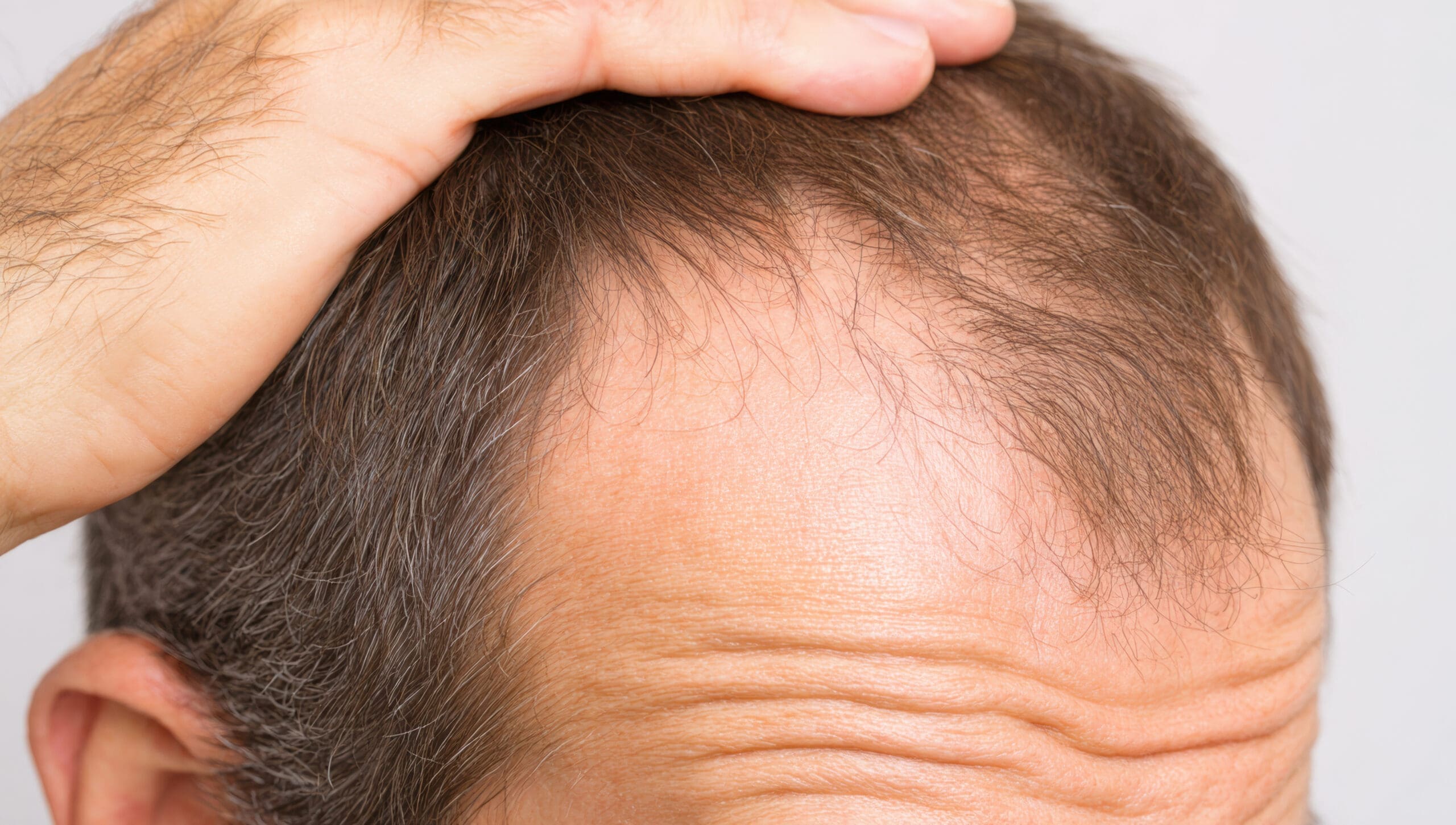
Are you a man or woman between the ages of 30 to 65 experiencing the struggle of thinning, hair and hair loss? You’re not alone. Studies have shown that nearly 35 million men in the US are affected by hair loss and over 21 million women are affected as well. Almost 1 in every 5 […]

Your hair doesn’t need another product, prescription or procedure... It needs a system.
The consultation is a FREE information session via zoom
1. Hormones:
Testosterone/Dihydrotestosterone
Hormones have a significant effect on hair loss. Many people are familiar with the hormone dihydrotestosterone (DHT) that causes male pattern balding. This hormone has an effect on the hair follicle and causes your hair to fall out. There is an enzyme called 5-alpha-reductase that takes testosterone and converts it into DHT, and this enzyme can be found in the hair follicle, in addition to other locations in the body. This can be found in men and in women.
Blocking 5-alpha-reductase is a way to prevent the conversion of testosterone to DHT and to prevent hair loss that occurs in the front and temple regions due to DHT. Examples of this are finasteride and dutasteride. These medications come with a list of side effects such as sexual dysfunction; including erectile dysfunction and loss of libido, depression, anxiety and self harm. Additionally, these medications are not approved for use in women.
The good news is that there are several natural supplements that can be used to block this enzyme without the potential bad side effects.
Saw Palmetto*
Mechanism: Inhibits both Type I and Type II 5-alpha-reductase
Dose: 320 mg once daily
https://pmc.ncbi.nlm.nih.gov/articles/PMC10648974/
Reishi Mushroom (Ganoderma lucidum)
Mechanism: may inhibit activity of 5-alpha-reductase as seen in vitro
Dose: 500–1,000 mg/day (extract)
Estrogen & Progesterone
Estrogen and Progesterone increase the amount of time that hair is in the growth phase and decreases the amount of hair shedding. When Estrogen and/or Progesterone decline, hair growth decreases and hair shedding increases - result -hair loss!
Thyroid
Thyroid hormone regulates pretty much every process in our body. When the thyroid system becomes underactive, like in hypothyroidism, our metabolism slows down, and the lesser important body functions get less attention. Sadly, hair (and skin) typically suffer first [8]. In hypothyroidism, hair tends to be dry, brittle, dull, and diffusely thinned out – even eyebrow hair can fall out [9]! When the reverse is true and there’s too much thyroid hormone (Graves’ disease), hair will also fall out.
Cortisol - the hormone of Stress
Did you know that the hormones of stress can make your hair fall out and prevent new hair from growing in on its own? When cortisol is present at high levels it decreases the production and increases the breakdown of important elements needed for hair growth and maintenance called hyaluronan and proteoglycans by approximately 40%
Vitamin D
Vitamin D which is actually a hormone, not a vitamin, is essential to our immunity, bone health and many other processes. With regard to hair, it actually helps create new hair follicles by initiating the anagen phase which is the active growth phase. It does so by regulating the expression of genes that are required for hair follicle cycling. A number of symptoms, such as hair loss, can occur when the body lacks enough vitamin D.
2. Nutrition:
Everything needs nutrition to grow and thrive and our hair is no different. It turns out there are some specific nutritional needs our hair has and we may not be getting enough from diet alone.
Ferritin
Ferritin is stored iron. Iron can be thought of as the food in your kitchen and on your table, ferritin is the food you have in your pantry. Hair follicles actually hang on to ferritin. When the body is low in iron, it can pull ferritin from places like hair follicles, which the body thinks is not as important as red blood cell production. The resulting effect can be diffuse hair loss.
B Vitamins
To keep hair follicles active, you need healthy blood flow – the oxygen-rich red blood cells help feed the hair follicles. Vitamin B12, also known as cobalamin, has an important role in this.
Biotin
Biotin plays a key role in healthy hair growth because it supports keratin production, the primary protein that makes up hair strands. Adequate biotin levels can help strengthen the hair shaft, may reduce breakage and support thicker, more resilient hair over time. Low biotin status has been associated with increased hair shedding, brittle hair, and slower growth. While biotin alone is not a cure for hair loss, it works best as part of a comprehensive approach.
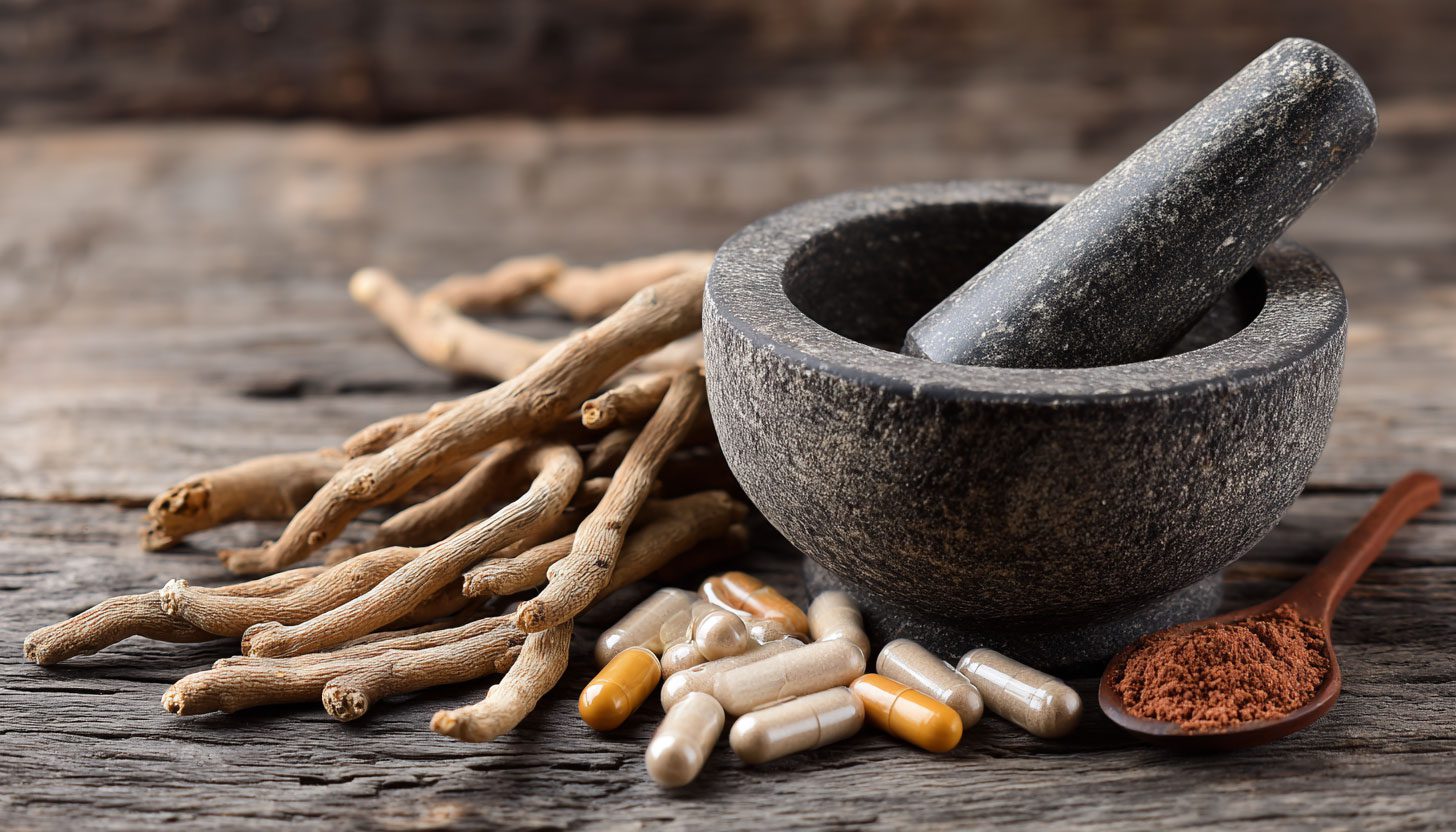
Ashwagandha
Ashwagandha may support hair growth primarily by helping the body adapt to stress, which is a common and often overlooked contributor to hair thinning and shedding. Chronic stress can push hair follicles into a resting phase, leading to increased hair loss over time. By supporting healthy cortisol balance and nervous system regulation, ashwagandha may help create a more favorable internal environment for hair growth. It also provides antioxidant support that may protect hair follicles from oxidative stress.
Vitamin C
Vitamin C is essential for hair growth because it plays a critical role in collagen production, which helps support the structure of hair and the surrounding scalp tissue. It also enhances iron absorption, an important factor since low iron levels are a common and often missed contributing cause of hair thinning. As a powerful antioxidant, vitamin C may help protect hair follicles from oxidative stress that may impair growth. Adequate vitamin C intake also supports scalp circulation and overall follicle health.
3. Circulation:
All growth and repair needs good circulation in order to remove toxins and take nutrients to the site. Our scalp is no different. Our scalp is the soil and home of every hair follicle. As we age our extremities have less and less optimal circulation. You may notice your hands and feet get cold more easily. Our scalp is technically an “extremity” that also has less circulation as we age.
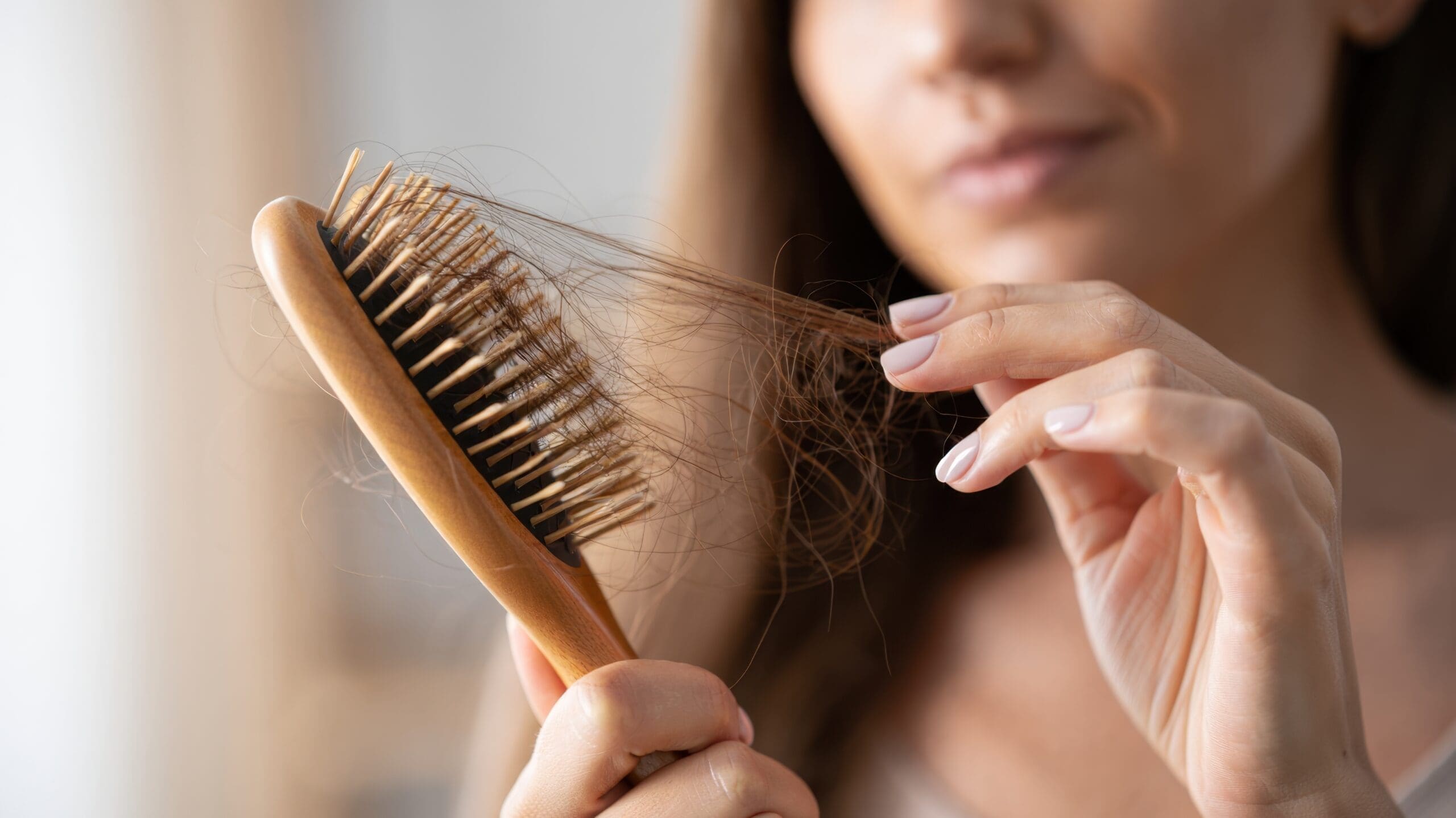
We can stimulate circulation in our scalp with brushing. However, many people with hair thinning or hair loss avoid brushing (and even shower less often) in the false belief that it will save their hair from falling out. Unfortunately, the exact opposite is true. Your hair follicle sits in your scalp. The hair shaft is the part that we see above the scalp, Hair loss happens at the hair follicle. When this happens the hair shaft can still be in the scalp, kind of like when a button on a shirt has had all the thread severed but is still on the shirt. It only takes the slightest brush against the shirt to dislodge the button that is no longer “attached”. This means that brushing your hair only moves the hairs off the scalp that were already dislodged and ready to fall out anyway.
Soft scalp brushing actually can improve circulation of the scalp, remove build up and improve hair growth.
4. Scalp Inflammation And Toxic Build Up:
Think of your scalp like soil and your like the plants growing from it.
When you garden, you don’t just focus on the plant. You pay attention to the soil — because if the soil is compacted, depleted, or overloaded with debris, the plant cannot thrive.
Your scalp works the same way.
Every day your scalp is exposed to styling products, shampoo, hard water minerals, pollution, UV light, and your own natural oils. Over time, these substances can accumulate on the scalp surface. Natural sebum can also oxidize when exposed to air and environmental pollutants, which may contribute to irritation and micro-inflammation around the follicle.
If the “soil” of the scalp becomes congested or inflamed, follicles may struggle to cycle normally. Growth signals can weaken. Shedding can increase. And even the best protocol, product or procedure won’t perform as well if the environment itself is compromised.
Before we stimulate growth, we improve the soil.
The Scalp Reset Mask
In gardening, you periodically refresh the soil. You loosen it. You remove excess debris and weed, you put in fertilizer and restore balance.
The same concept applies to the scalp.
A scalp reset using:
- Rose clay
- Baking soda
- Emu oil
can help support a healthier scalp surface.
Rose Clay
Clay has natural adsorptive properties. It helps bind excess oil, product residue, and environmental particles sitting on the scalp so they can be rinsed away more effectively.
Baking Soda
Baking soda can help loosen accumulated surface buildup. Think of it as gently breaking up compacted soil so water and nutrients can penetrate more easily. (This is intended as an intermittent clarifying treatment, not daily use.)
Emu Oil
Emu oil contains essential fatty acids and is known for its soothing properties. It helps support moisture balance and maintain scalp barrier integrity — much like restoring nutrients back into soil after aeration.
Together, this mask helps refresh the scalp surface and create a more supportive environment for healthy hair growth.
It does not “grow” hair by itself.
But just as no plant thrives in neglected soil, no follicle thrives in a neglected scalp.
5. Follicular Activation & Growth Signaling
Hair thinning doesn’t always happen because something is missing. Sometimes it happens because something has slowed down.
Most people assume hair loss is about nutrients or hormones alone. And while those matter, there’s another critical piece:
The follicle itself can become less active. Hair growth isn’t just about “feeding” the follicle. It’s about stimulating it.
The FoLix laser uses precise, controlled laser energy to stimulate the scalp so that:
- Local circulation increases
- Growth signals rise
- Hair production increases
So What’s Next?
By now, you understand something most people don’t:
Hair loss is usually not caused by one problem.
- It’s hormonal.
- It’s nutritional.
- It’s circulatory.
It’s inflammatory. - And it’s about follicular activation.
When you address only one pathway, results are often limited. When you address all five, growth becomes possible.
That’s why we created a Hair Growth System — combining targeted internal and external support with the FDA-cleared FoLix laser to stimulate real hair growth.
- No surgery.
- No side effects
- No downtime.
And because we believe in this system, we stand behind it. We offer a Hair Growth Guarantee.*
If you’re ready to stop guessing and start using a structured, science-based approach to hair restoration, schedule your consultation today.

Your hair doesn’t need another product, prescription or procedure... It needs a system.
The consultation is a FREE information session via zoom