
Frequently Ask Questions
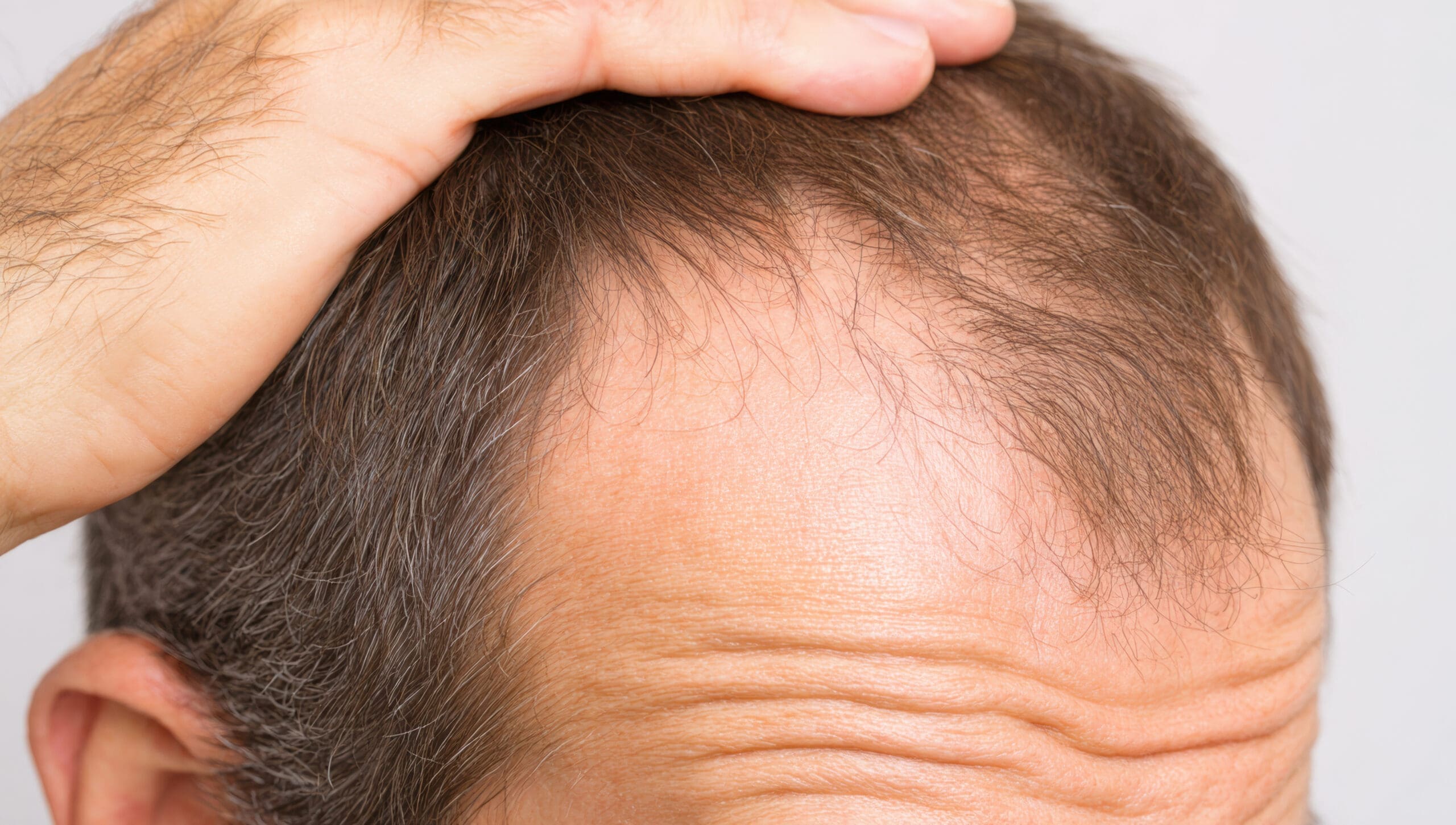
Your hair doesn’t need another product, prescription or procedure... It needs a system.
What is FoLix™ Laser Hair Restoration?
FoLix™ is a non-surgical, FDA cleared hair restoration treatment that uses advanced fractional laser technology to stimulate weakened hair follicles and improve the appearance of thinning hair. The treatment is FDA-cleared for improving scalp hair appearance in adult men and women experiencing hair loss.
How does the FoLix laser work?
FoLix uses a 1565 nm fractional laser that creates microscopic thermal channels beneath the scalp surface. These controlled micro-injuries trigger the body’s natural healing response, which may help stimulate hair follicles, improve blood flow, and encourage healthier hair growth.
Is FoLix FDA-cleared?
Yes. FoLix received FDA clearance through the FDA 510(k) process for improving the appearance of scalp hair in adult males and females with hair loss.
Does FoLix therapy hurt?
Most patients report only mild discomfort during treatment. Many describe the sensation as light heat, tingling, or tiny snaps against the scalp. Because the procedure is non-invasive, anesthesia is typically not required.
How long does a FoLix treatment session take?
A typical FoLix session usually takes about 20–30 minutes, depending on the size of the treatment area.
How many FoLix treatments will I need?
Treatment plans vary based on the severity of hair loss and the patient’s goals. Many clinics recommend an initial series of treatments followed by periodic maintenance sessions to help sustain results.
When will I start seeing results from FoLix?
Most patients begin noticing improvements in hair texture, thickness, and density within several months. Hair growth cycles take time, so visible changes often continue improving over 6–12 months.
Is there any downtime after FoLix laser therapy?
FoLix typically requires little to no downtime. Some patients may experience temporary redness or mild scalp sensitivity after treatment, but most people return to normal activities immediately afterward.
Who is a good candidate for FoLix?
FoLix is generally best for:
- Men and women with early to moderate hair thinning
- Patients with androgenetic alopecia (pattern hair loss)
- Individuals seeking a non-surgical hair restoration option
- People who still have active or weakened hair follicles
Who is NOT a good candidate for FoLix?
Folix is not for the following:
- People with very dark or black skin, example African American or Ethiopian
- People who have Cancer or undergoing cancer treatment
- Anyone who has taken Acutane in the last 6 months
- Someone who is pregnant or breast feeding
- Someone with an Infection of the scalp
Can FoLix regrow hair in completely bald areas?
FoLix may be less effective in areas where hair follicles are no longer active or viable. Patients with complete baldness may require alternative treatments such as hair transplantation.
Is FoLix safe for women?
Yes. FoLix is FDA-cleared for both men and women and may help improve female pattern hair thinning. However, FoLix is not right for women who are pregnant or breast feeding.
What are the side effects of FoLix laser therapy?
Common side effects are generally mild and temporary and may include:
- Redness
- Mild swelling
- Temporary scalp sensitivity
- Dryness or flaking
Serious complications are considered uncommon when performed by trained professionals.
Can FoLix be combined with other hair restoration treatments?
Yes. Many providers combine FoLix with:
- PRP (Platelet-Rich Plasma)
- Minoxidil
- Nutritional therapy
- Microneedling
- Hair restoration supplements
Combination therapies may help enhance overall results.
Is FoLix better than a hair transplant?
FoLix and hair transplants serve different purposes. FoLix is a non-surgical treatment designed to stimulate existing follicles, while hair transplantation surgically relocates follicles. FoLix may be ideal for early-stage thinning, while transplants are often better for advanced hair loss.
How successful is laser hair restoration therapy?
Clinical studies involving laser-based hair restoration therapies have shown measurable improvements in hair density and hair counts in many patients. Some studies report effectiveness rates approaching 80% for certain patient groups when treatment protocols are followed consistently.
Does FoLix work for all types of hair loss?
FoLix is primarily designed for pattern hair loss and thinning hair. Effectiveness may vary for other conditions such as scarring alopecia, autoimmune hair loss, or medical-related hair loss.
How is FoLix different from laser caps or helmets?
Unlike at-home laser caps that use low-level red light therapy, FoLix uses medical-grade fractional laser technology designed to create controlled stimulation beneath the scalp surface. This may trigger a stronger regenerative response.
Will I need maintenance treatments?
Yes. Like many hair restoration therapies, maintenance sessions are often recommended to help preserve and support ongoing results over time.
Why are more people choosing non-surgical hair restoration options like FoLix?
Many patients prefer non-surgical solutions because they:
- Require minimal downtime
- Avoid incisions and scarring
- Offer gradual, natural-looking improvement
- Can be combined with other therapies
- Allow people to address hair thinning earlier before more advanced loss occurs